I see LEAD changing the narrative for how rangers and managers connect with some of the most significant natural environments left on the planet.

Kalyuku ninti puntuku ngurra. That’s the name of the Martu company I’ve been working alongside now for the last 16 years. Martu are the traditional owners of a vast tract of the western desert in Australia. These words capture the deep resonance for what they are striving for and over time, helped shape my journey in frontline conservation by challenging me to explore the connection of people and place.
Kalyu is water. Ninti is knowledge. Puntuku ngurra is working on country.
For Martu, not that long ago, knowing their water places could be a matter of life and death. Today the importance of water story on country ties generations of young martu to their place. Still critical knowledge. It’s about identity.
Working on country is about looking after country. Something Martu have achieved over the eons and today manifests in Martu rangers running their own land management programs throughout their vast lands.
Put together, this story is one of self determination. Enabling people to be in charge of their own affairs at the deepest levels whilst maintaining who they are, as culturally strong Martu men and women.
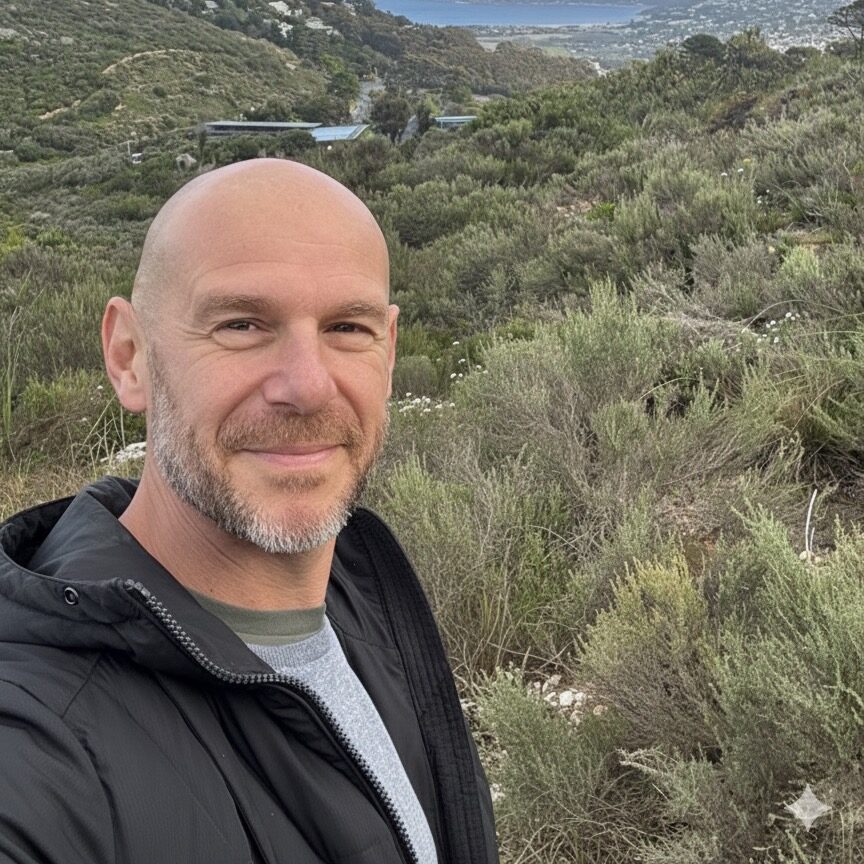
Joining the LEAD board resonates deeply for me. I see LEAD changing the narrative for how rangers and managers connect with some of the most significant natural environments left on the planet. It’s about actively supporting people learning and looking after country by investing in individuals and organisations. LEAD promotes global determination for frontline protectors and a sense of identity that’s recognized.
I hold a Ba in applied science in Environmental Management and have been working as a ranger on the Australian conservation frontlines my whole career.
Most recently, prior to returning to the Australian desert realms, I was the General Manager for the Thin Green Line Foundation, an organisation devoted to supporting rangers globally.
These partners are responsible for the practical application of the ITR framework on the ground. They work directly with local teams to roll out and integrate ITR strategies into daily operations.
We collaborate with these organisations for their expertise, research, and insights that help shape and refine the Integrated Threat Reduction (ITR) framework. They play a critical role in developing strategies, new tools, and training modules, as well as sharing best practices.
Support partners assist with resources, funding, logistics, and additional services that complement the ITR rollout. They help ensure smooth operations and fill gaps that may arise during implementation.